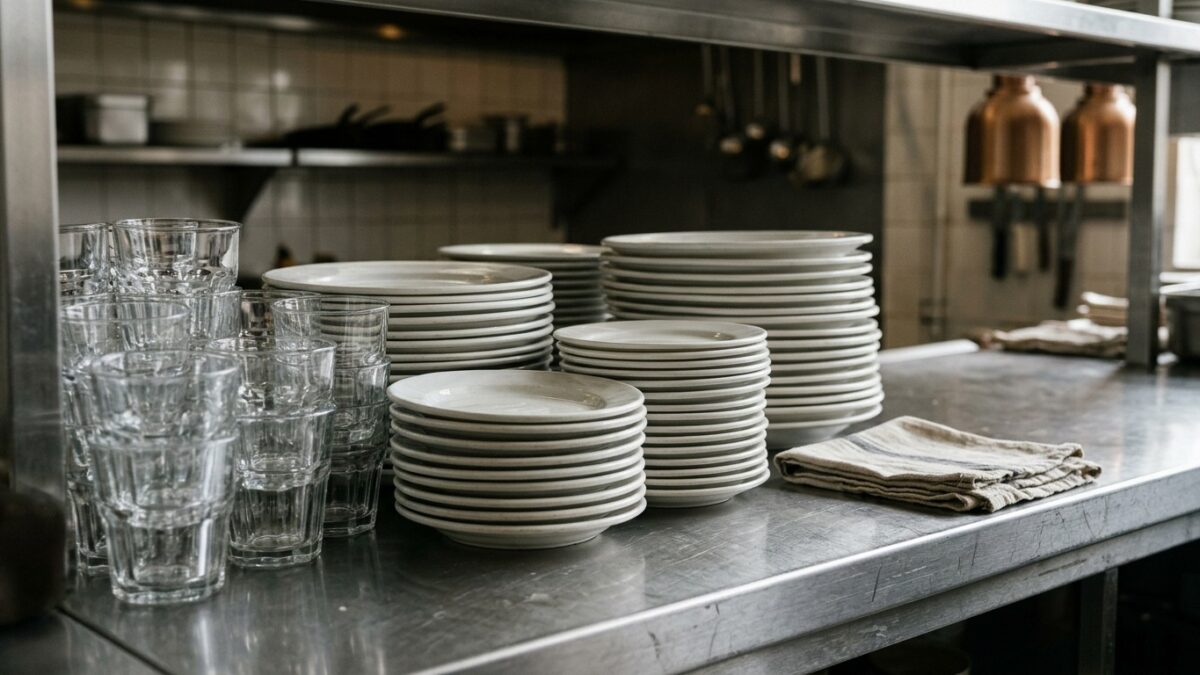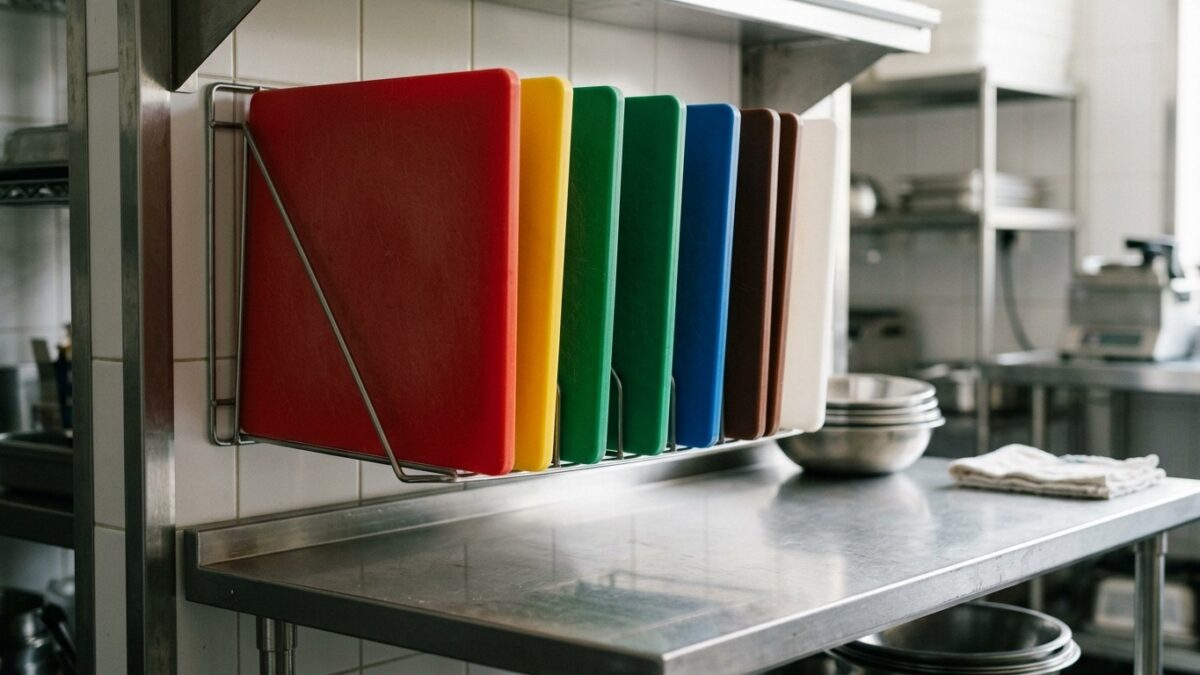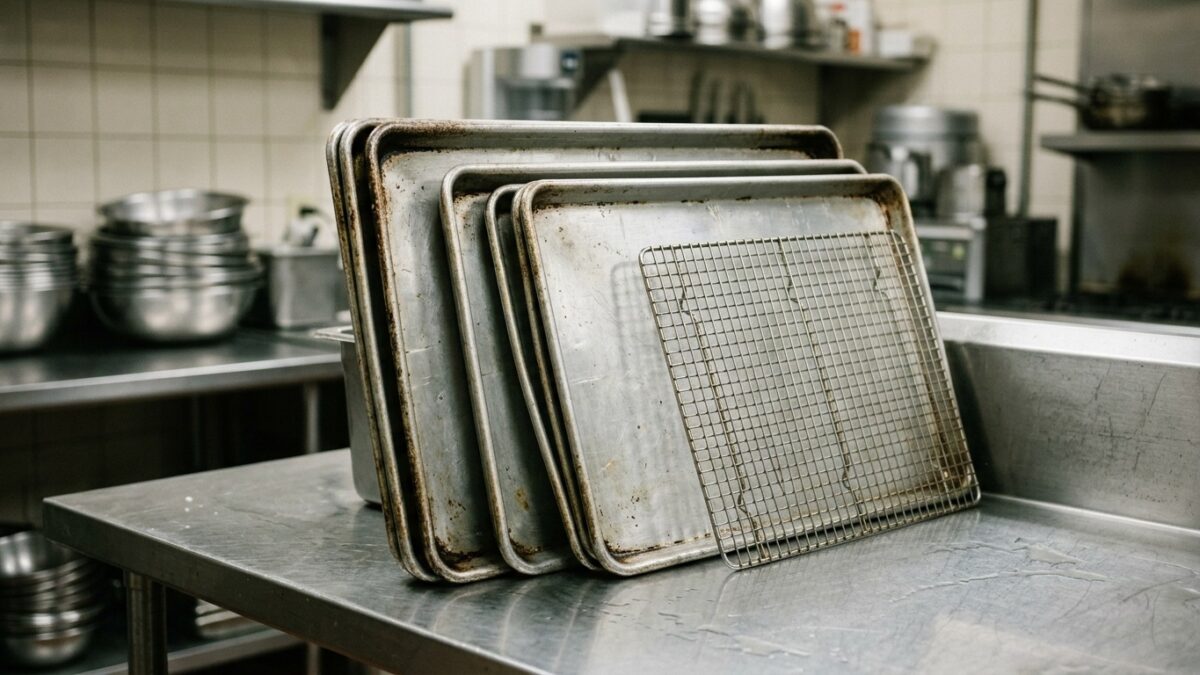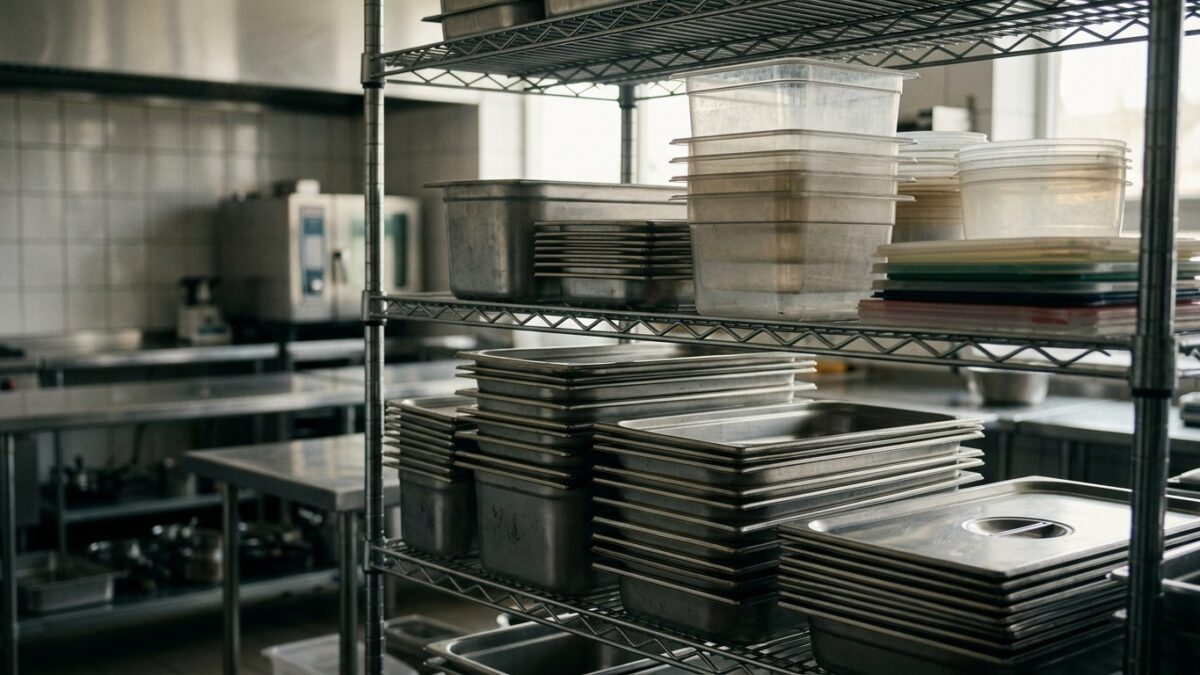
Operator checklist before a year-end supply order:
- Count what you have on the shelf, so you do not buy duplicates.
- Calculate cost per unit, not just cost per case.
- Add freight, delivery fees and any minimum order charges.
- Check storage space and shelf life.
- Read the return policy, especially for bulk and special orders.
Year-end sales invite restaurants to stock up on pans, containers, tableware and disposables at lower case prices. Some deals are worth taking, since smallwares are used every day and do not spoil. Others tie up cash, fill storage rooms and add freight fees that wipe out the discount. This guide explains how to compare case pricing, what freight and returns can do to a price and how to plan an order that actually saves money.
This is general buying advice. It does not recommend a particular supplier, and terms change often, so read the current policy before you pay. It is not tax or accounting advice, and an accountant can explain how purchases affect your books.
Start with an inventory
Before comparing deals, count what you have. Check pans, containers, lids, tableware, utensils and disposables. Note what is worn, what is missing and what you will need for the next quarter. A shelf-by-shelf count prevents the common mistake of buying a case of something you already have in a back room.
Think about the next few months as well. A new menu, a catering season or a planned expansion can change what you need.
Case pricing explained
A case price looks low until you divide it. Calculate cost per unit by dividing the case price by the number of pieces. Compare the figure across suppliers and across case sizes.
For example, a case of 12 pans that costs the same as a case of 6 pans from another supplier costs half as much per pan. If you only need 6, the larger case may not help you. Buying more than you use does not save money.
| Check | What to look for | Why it matters |
|---|---|---|
| Cost per unit | Case price divided by pieces | Shows the real price of each item |
| Case size | Number of pieces per case | Decides how much you buy at once |
| Minimum order | Required total or quantity | Can force a larger purchase |
| Freight | Shipping or pickup cost | Changes the final price |
| Return policy | Window, fees and conditions | Protects against mistakes |
| Storage | Space and shelf life | Limits how much you can hold |
Freight and delivery
Freight is where many deals fall apart. Heavy items such as plates, pans and equipment can be expensive to ship. Ask whether shipping is free above a certain total, whether the supplier uses a freight carrier and whether delivery is curbside or inside.
If you can pick up the order at a local store, compare the pickup price with the delivered price. Cash-and-carry restaurant supply stores can be cheaper for common items, though selection may be limited.
Storage and shelf life
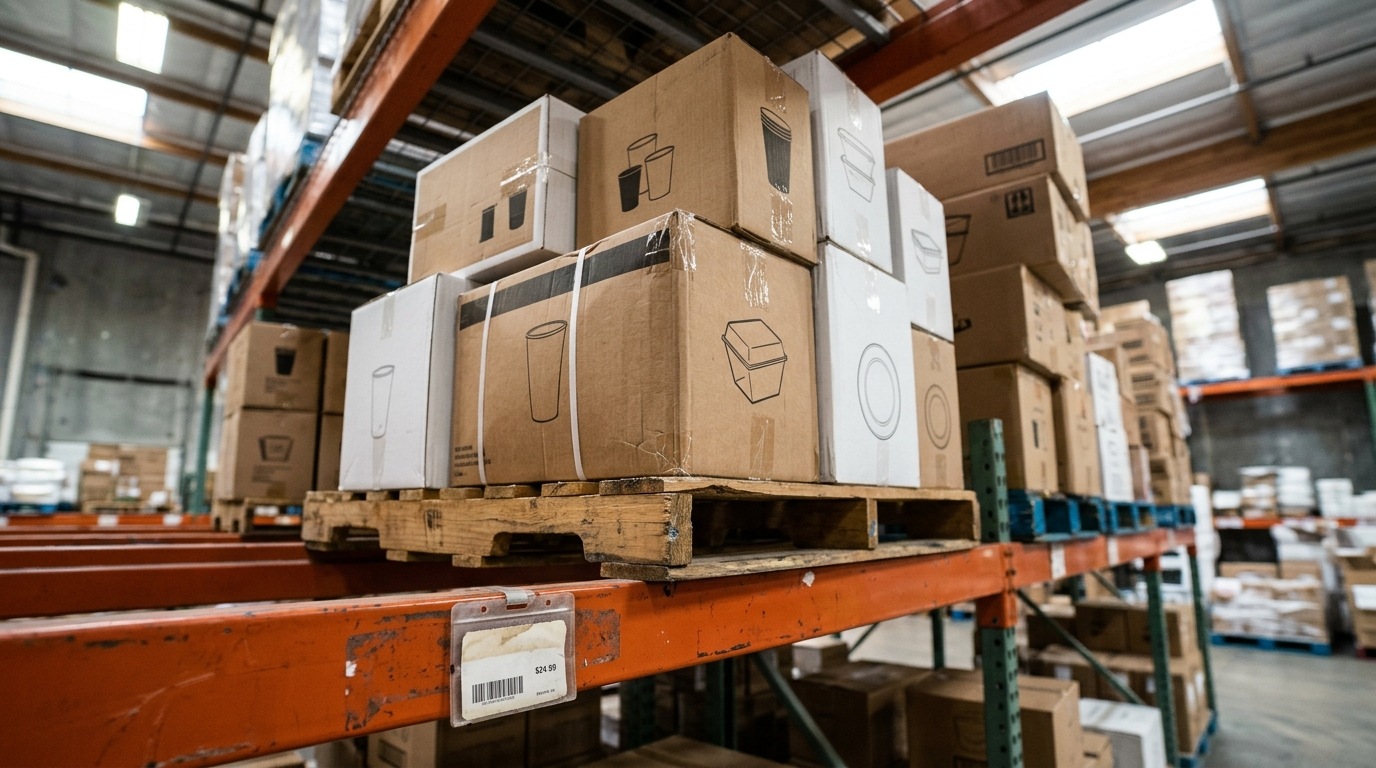
Smallwares don’t expire, but they take space. A room full of unopened cases blocks aisles, hides inventory and invites damage. Store cases off the floor, label them and keep a record of what is in each location.
Disposables, such as gloves, wraps and liners, may have shelf-life limits or can degrade in heat and sunlight. Check the dates and store them in a cool, dry place.
Returns and special orders
Read the return terms before you order. Check these points:
- How long you have to return unused items.
- Whether opened cases can be returned.
- Whether restocking fees apply.
- Who pays for return shipping.
- Whether special orders or custom items are final sale.
Special-order and custom-printed items are often nonreturnable, so be sure about the specifications before you pay. Inspect deliveries on arrival, count the cases and note any damage on the paperwork before the driver leaves.
Sale tactics to watch
Some sales raise the regular price before cutting it. Compare with prices from the past few months if you can. Bundles may include items you don’t need. Count only what you will use. Time-limited offers can pressure you to buy too much, so stick to your inventory list.
Also check membership fees. Some suppliers offer lower prices for members, which makes sense only if you buy often.
Timing
Year-end is also inventory time, so you may be counting stock anyway. Plan orders around your busiest periods, and avoid arrivals during peak service. Order early enough to allow for delays in holiday shipping.
A simple ordering plan
A short plan keeps a sale from taking over your storeroom.
- List the items you will use in the next three months.
- Mark items with a price that is lower than your usual cost per unit.
- Subtract what you already have.
- Add freight and fees to find the delivered cost per unit.
- Order only the items that still look like a good price.
- Record the order and the arrival date so you can check the delivery.
Review the plan with the people who use the supplies, such as the kitchen manager and the bar lead. They know what runs out first and what sits on the shelf. A plan made together is more accurate than one made from a price list.
Keep records
Keep order confirmations, invoices and photos of damaged goods. Record the case counts and the dates when you received items. Good records help with returns, with budgeting and with planning the next order.
The summary
A year-end supply sale is worth using when you know what you need, compare cost per unit and count freight, storage and returns. Buy what your kitchen will use in the coming months, inspect deliveries and keep your records. A smaller order at the right price beats a big order that sits on the shelf.